
The Importance of Regular Cleanings and Exams for Kids
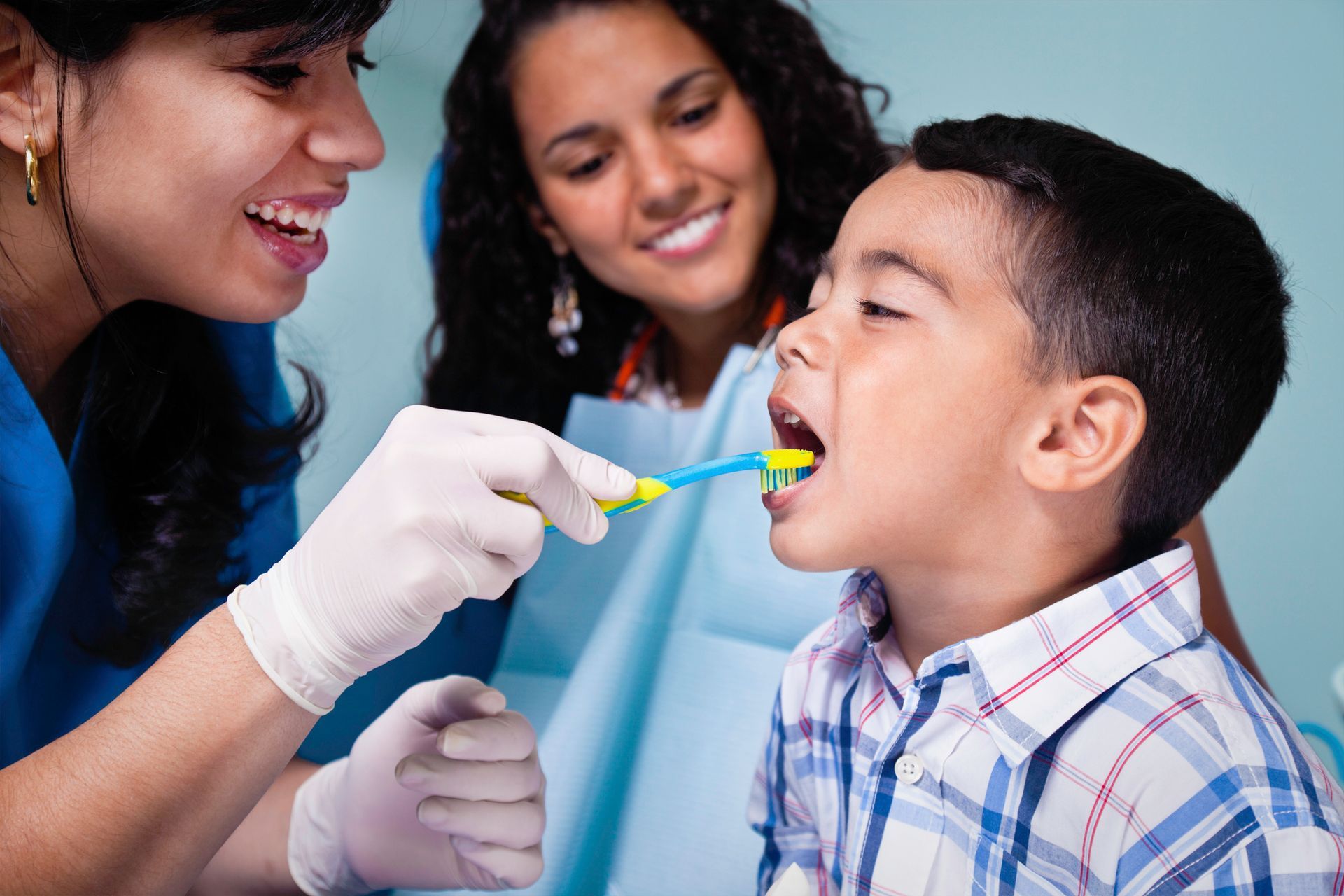
A healthy smile does not begin when a child gets all of their permanent teeth. It begins with the first tooth. Regular dental cleanings and exams help parents protect developing smiles, prevent cavities, and make dental care feel familiar from an early age.
For families in Friendswood, TX, routine checkups involve much more than polishing teeth. A pediatric dental visit allows the dentist to monitor tooth eruption, jaw growth, bite alignment, and oral habits while giving parents practical guidance for brushing, nutrition, fluoride, and other preventive needs.
Dentistry 4 Children was founded by Dr. Lisa Richardson in 1996 and has served local families for more than 30 years. Dr. Richardson is a board-certified pediatric dentist and a Diplomate of the American Board of Pediatric Dentistry. She and her team are experienced in helping children, including anxious patients and those with special healthcare needs, feel safe and supported.
Why Preventive Dentistry Should Begin Early
Preventive dentistry focuses on stopping problems before they develop or finding them while they are small. For children, it includes routine cleanings, oral exams, fluoride treatments, dental sealants, X-rays when clinically necessary, and education for children and parents.
Cavities can develop soon after the first teeth appear. Early decay may not cause obvious pain, so a parent may not recognize a problem until it becomes larger. Routine checkups allow the pediatric dentist to look for enamel changes, plaque buildup, gum irritation, and other warning signs.
Regular visits also build familiarity. A toddler who visits for simple preventive care can gradually learn what the dental office looks, sounds, and feels like. That positive foundation may make future appointments easier.
An Age-by-Age Guide to Cleanings and Dental Exams
Every child is different, so the pediatric dentist may recommend a schedule based on cavity risk, health history, development, and home care. Most children should return about every six months, although some need more frequent visits.
First Tooth Through Age 1
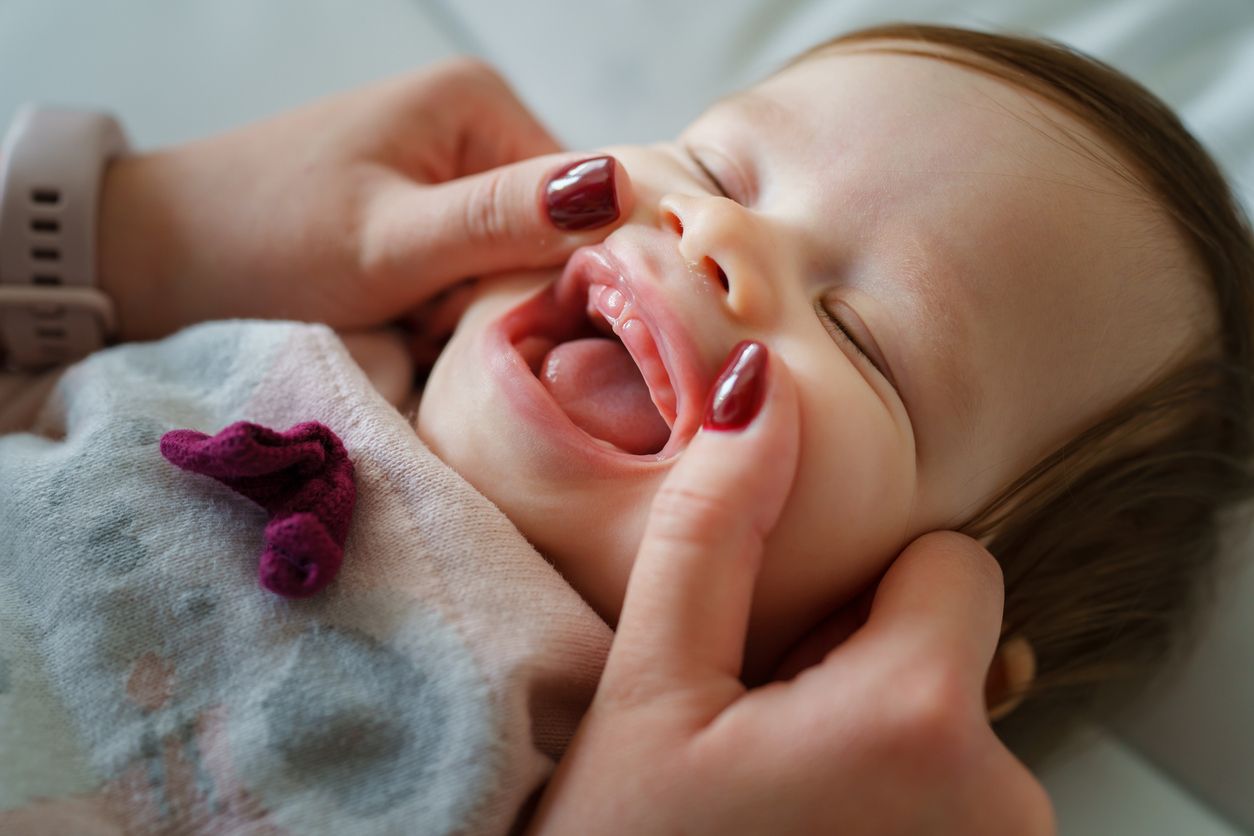
A child’s first dental visit should occur when the first tooth appears or no later than the first birthday. This early appointment is sometimes called a well-baby dental visit.
The pediatric dentist examines the mouth, teeth, gums, jaw, and oral tissues. Parents can ask about teething, brushing, fluoride toothpaste, pacifier habits, bottle use, and foods or drinks that may increase cavity risk. The exam may be completed with the child sitting on a parent’s lap so the baby feels secure.
Toddlers: Ages 1 to 3
Toddlers develop quickly, and their eating and brushing habits can change just as fast. Visits about every six months help the dental team monitor newly erupted teeth and identify early childhood cavities.
Cleanings are usually brief and gentle. The team may use a soft toothbrush, polishing cup, or small hand instruments depending on the child’s needs and comfort. Fluoride varnish may be applied to strengthen enamel and provide added protection.
The exam may also evaluate oral habits, jaw development, speech-related structures, and the position of the teeth. Parents receive age-appropriate guidance on brushing, snacks, bottles, and cups.
Preschool Children: Ages 3 to 5
Preschoolers usually have most or all of their baby teeth. Routine cleanings are important because children this age may want to brush independently, but still need close adult help.
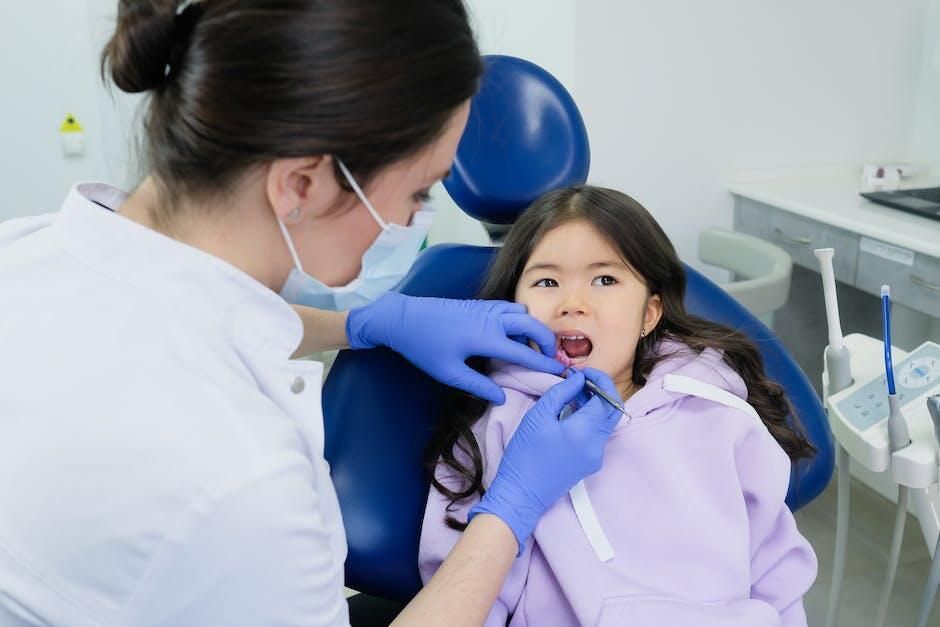
The pediatric dentist checks for cavities, weakened enamel, gum inflammation, injuries, and bite changes. The dentist also monitors whether thumb-sucking or prolonged pacifier use is affecting alignment.
There is no single age when every child should receive a first dental X-ray. Imaging is recommended according to the child’s history, cavity risk, symptoms, spacing between teeth, clinical findings, and stage of development.
School-Age Children: Ages 6 to 12
Around age 6, the first permanent molars commonly erupt behind the baby teeth. These teeth must last a lifetime, but their deep chewing grooves can trap food and bacteria. This is often an important time to evaluate a child for dental sealants.
A sealant is a thin protective coating placed over the grooves of a back tooth. It creates a smoother barrier that helps keep food and cavity-causing bacteria out of difficult-to-clean areas. Sealants are often considered soon after the first permanent molars erupt and again when the second permanent molars appear around age 12. Children with cavity-prone baby molars may also be candidates.
Routine exams during these years track the loss of baby teeth, eruption of permanent teeth, crowding, bite alignment, jaw growth, and the possible need for an orthodontic evaluation.
What Is Different About a Child’s Dental Cleaning?
A pediatric cleaning is not simply an adult cleaning performed on smaller teeth. Children have different developmental, emotional, and preventive needs.
The dental team may use smaller instruments, gentler pressure, child-friendly language, and shorter steps. The team may explain an instrument, show it to the child, and then use it. Praise, reassurance, distraction, and breaks can also help a child feel more confident.
Younger children may receive a toothbrush cleaning or light polishing. Older children may need more detailed plaque and tartar removal. The approach is adjusted to the child’s age, oral health, and comfort.
Fluoride varnish is commonly used because it can be painted quickly onto the teeth. The pediatric dentist considers the child’s age, cavity risk, existing fluoride exposure, and individual needs before recommending treatment.
The Exam Looks Beyond Cavities
A pediatric dental exam is also a developmental evaluation. Children’s mouths are constantly changing, and routine visits allow the dentist to monitor:
- Which baby and permanent teeth have erupted
- Whether teeth are arriving on schedule
- Jaw growth and facial symmetry
- How the upper and lower teeth fit together
- Crowding, crossbites, overbites, or open bites
- Oral habits that may influence development
- Dental injuries, enamel defects, or signs of infection
Finding a concern does not always mean immediate treatment is necessary. Sometimes the right approach is to monitor development at future checkups. Early awareness helps the dentist and parent make informed decisions at the appropriate time.
Why Baby Teeth Matter Even Though They Fall Out
Baby teeth help children chew, speak clearly, smile confidently, and maintain space for permanent teeth.
When a baby tooth develops a cavity, decay can progress and cause sensitivity, pain, infection, or difficulty eating. If a primary tooth is lost too early, nearby teeth may shift into the open space, reducing the room available for the permanent tooth underneath.
Healthy baby teeth also help children build good habits. When brushing, nutritious eating, and dental visits become normal parts of childhood, those routines are more likely to continue as permanent teeth arrive.
Healthy Eating Habits to Prevent Cavities in Toddlers
Cavities develop when bacteria repeatedly use sugars and refined carbohydrates to produce acids that weaken enamel. Frequency matters. A toddler who sips a sweet drink or snacks throughout the day gives bacteria repeated opportunities to attack the teeth.
Offer structured meals and snacks instead of continuous grazing. Water is the best everyday drink between meals. Toddlers should not go to sleep with a bottle or cup containing milk, juice, or another sweetened drink after brushing.
Helpful foods include cheese, plain yogurt, vegetables, fresh fruit, eggs, and other nutrient-dense choices appropriate for the child’s age. Sticky sweets, gummies, sweetened cereals, flavored milk, juice drinks, and frequent fruit snacks can remain on teeth or expose them repeatedly to sugar.
Children younger than 2 should avoid added sugars whenever possible. For children ages 1 to 3, limit 100% fruit juice and serve it with a meal rather than allowing the child to sip it throughout the day. Whole fruit is generally a better everyday choice.
What to Expect at Your Child’s First Dental Visit
Prepare your child with calm, positive language. A simple explanation, such as “The dentist will count and check your teeth,” is usually enough. Avoid sharing frightening dental stories or promising that nothing will hurt.
At the appointment, the team will review the child’s health history and ask about feeding, brushing, fluoride, habits, and concerns. Depending on age and comfort, the visit may include a gentle cleaning, oral exam, fluoride varnish, and a home-care demonstration.
X-rays are not automatically taken at the first visit. They are recommended only when needed to diagnose a concern, see areas that cannot be evaluated visually, assess an injury, or monitor development.
It is normal for a baby or toddler to wiggle, cry, or feel unsure. Pediatric dental teams understand age-appropriate behavior and focus on completing necessary care safely while building trust.
Helping Your Child Build Lifelong Oral Health Habits
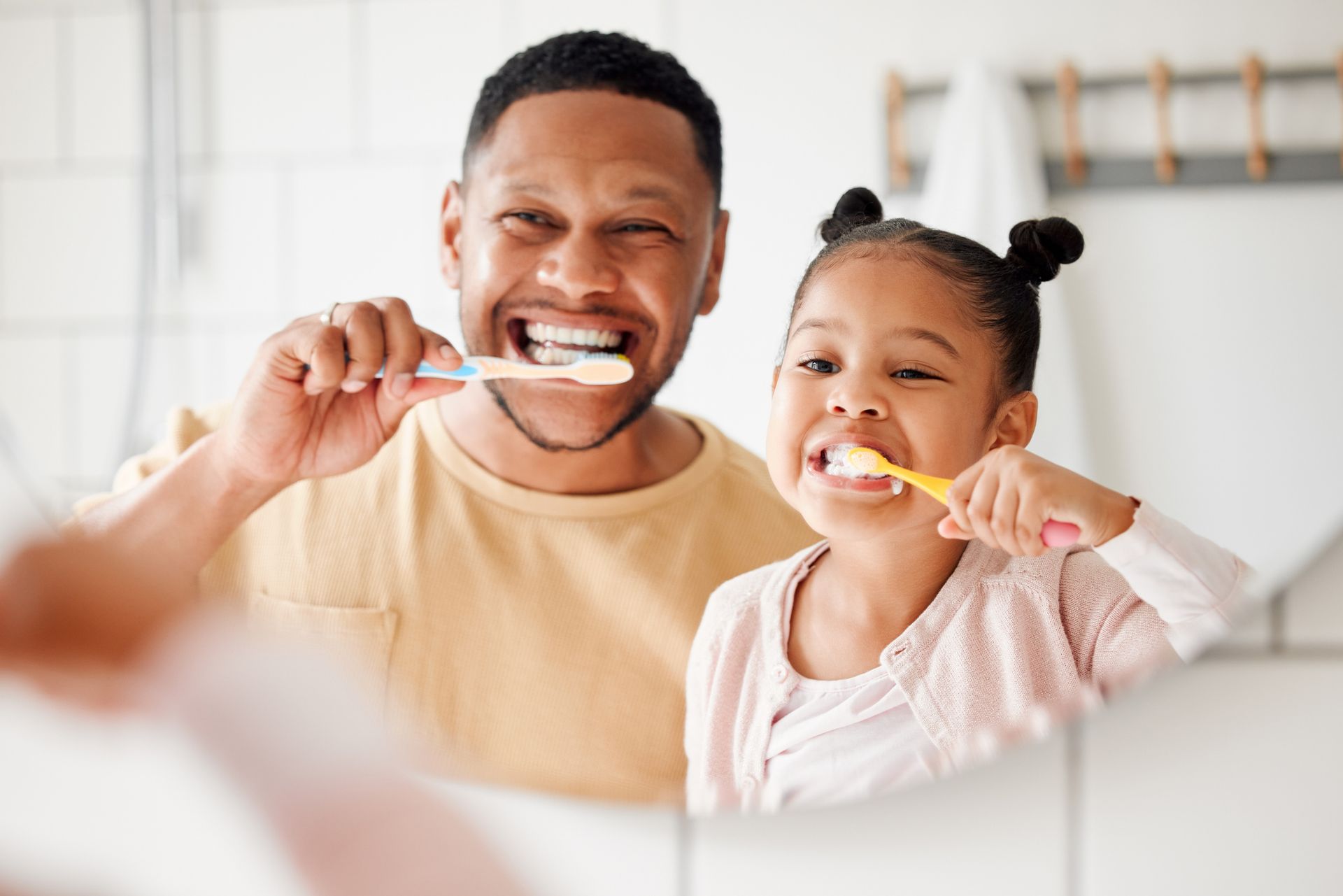
Brush your child’s teeth twice daily with a soft, age-appropriate toothbrush and the amount of fluoride toothpaste recommended by the dentist. Help with brushing until your child has the coordination to clean every surface effectively, often well into the elementary school years.
Floss between teeth that touch, limit sugary snacks and drinks, and schedule routine dental visits even when your child has no pain. Preventive care works best when professional cleanings and exams are paired with consistent habits at home.
Why Families Choose Dentistry 4 Children in Friendswood, TX
Dentistry 4 Children provides gentle, compassionate care in a child-friendly setting. Dr. Lisa Richardson and her team have extensive experience caring for young patients, including children who are anxious or have special healthcare needs.
The practice emphasizes prevention, education, and personalized attention. During cleanings and exams, the team can evaluate home-care habits, recommend fluoride or sealants when appropriate, and identify concerns before they become larger problems.
Frequently Asked Questions About Children’s Cleanings and Exams
How Often Should My Child Have a Dental Cleaning and Exam?
Most children should visit about every six months. Children with a higher cavity risk, orthodontic appliances, certain medical conditions, or active concerns may need more frequent appointments.
When Should My Child Have Their First Dental Visit?
Schedule the first visit when the first tooth erupts or no later than the first birthday. Early visits allow the dentist to assess development and help parents prevent cavities from the beginning.
At What Age Do Children Start Getting Dental X-Rays?
There is no required age. The pediatric dentist recommends imaging based on the clinical exam, cavity risk, symptoms, tooth spacing, injury history, and developmental needs.
Do Toddlers Really Need Professional Cleanings?
Yes. A toddler’s cleaning may be shorter and gentler than an older child’s cleaning, but it removes buildup, checks home-care effectiveness, and helps the child become familiar with dental care.
When Are Dental Sealants Applied?
Sealants are often recommended after permanent molars erupt, usually around ages 6 and 12. Timing depends on the tooth, its grooves, the child’s cavity risk, and whether the tooth can be kept dry during placement.
Can Cavities in Baby Teeth Be Left Untreated?
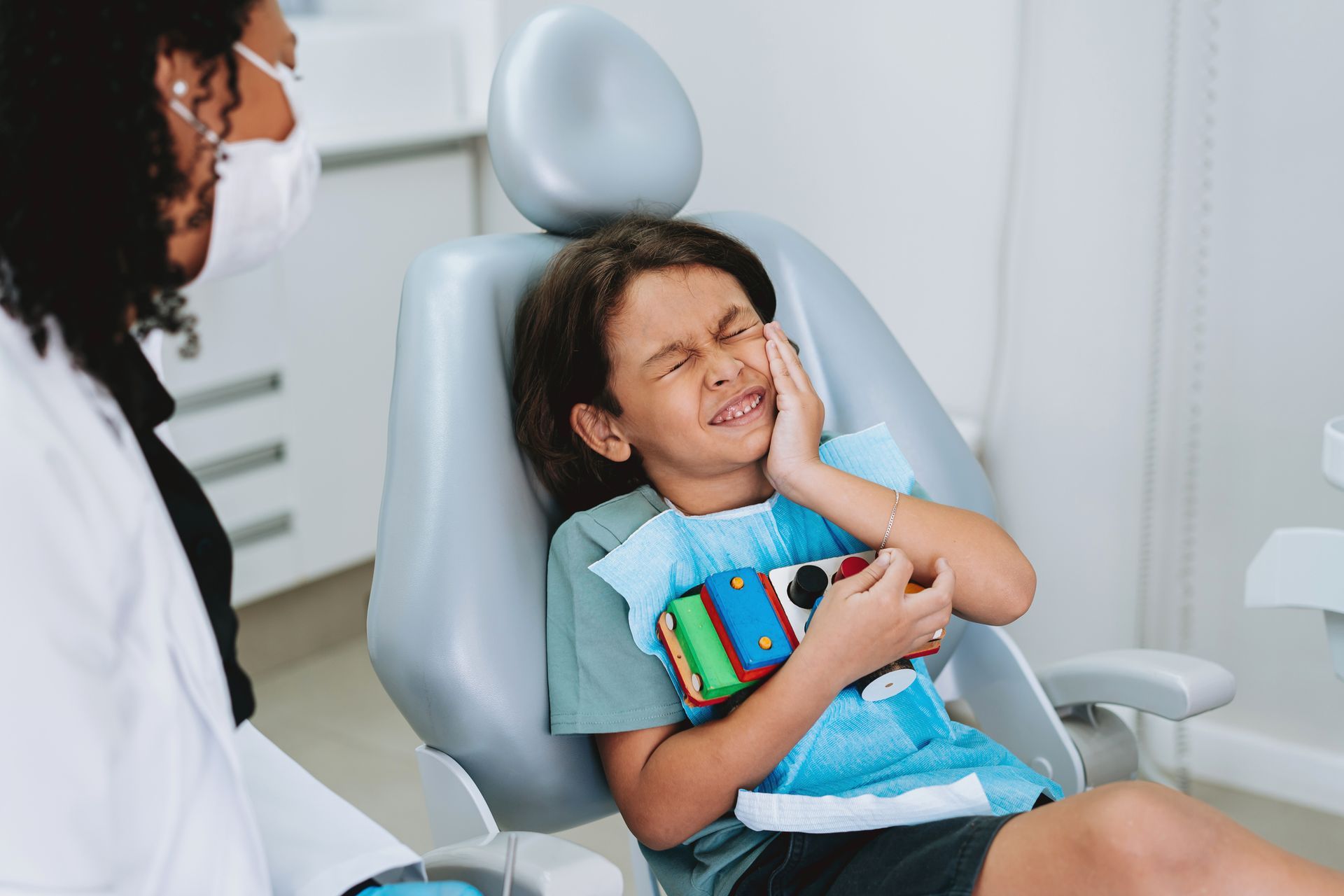
No. Cavities can become painful, interfere with eating and sleep, cause infection, and affect the space needed for permanent teeth. The pediatric dentist can recommend treatment based on the tooth, cavity size, and the child’s development.
Schedule Your Child’s Preventive Dental Visit in Friendswood, TX
Regular cleanings and exams help prevent cavities, monitor development, and make dental care a familiar part of life. Whether your child is preparing for a first visit or is due for a routine checkup, Dentistry 4 Children is ready to provide gentle, age-appropriate care.
Contact the
Friendswood office to schedule your child’s cleaning and exam and take the next step toward a healthy smile that can last a lifetime.