
Healthy Eating Habits for Toddlers to Prevent Cavities

Establishing healthy eating habits early in life can make all the difference in a child’s dental health. As a trusted pediatric dentist serving families in Friendswood, TX, the team at Dentistry 4 Children understands that busy, working parents want straightforward, practical guidance to help prevent cavities and promote strong, healthy smiles for their toddlers.
From what snacks to choose to how regular dental cleanings and exams support oral health, this comprehensive guide will give you the tools you need to protect your child’s teeth for life.
Why Healthy Eating Matters for Your Toddler’s Teeth
Toddlers’ teeth are more vulnerable to decay than many parents realize. Tooth decay happens when the bacteria in plaque feed on sugars left behind in the mouth, producing acids that erode enamel. This process can start early if a child’s diet includes frequent sugary foods and drinks.
What your toddler eats not only affects their overall health but also influences the strength and health of their developing teeth. Good nutrition and balanced meals help teeth grow strong and provide the building blocks necessary for enamel development.
Common Causes of Cavities in Toddlers
Cavities are one of the most common chronic childhood diseases. The primary contributors include:
- Frequent sugar exposure: Juice, candy, and even seemingly healthy snacks like crackers can contribute to decay if given throughout the day.
- Sticky foods: Foods that cling to teeth provide a prolonged food source for cavity-causing bacteria.
- Poor oral hygiene habits: Without proper brushing and flossing, plaque buildup accelerates tooth decay.
By understanding these causes, parents can make better nutritional and hygiene choices to prevent cavities before they start.
Smart Eating Habits to Protect Teeth
Prioritize Nutrient-Rich Foods
Encourage meals that support dental health:
- Calcium-rich foods: Milk, yogurt, and cheese help strengthen enamel.
- Crunchy fruits and vegetables: Apples, carrots, and celery naturally clean teeth and stimulate saliva, which neutralizes acids.
- Protein sources: Eggs, lean meats, and beans supply essential nutrients for overall growth and dental development.
These wholesome options deliver vitamins and minerals while keeping sugar levels in check.
Limit Sugary and Sticky Snacks
Sugary snacks are a leading contributor to cavities in children. Whenever possible, reduce:
- Sugary cereals
- Cookies and candy
- Sweetened beverages like juice and soda
If your toddler does enjoy a sugary treat, serve it with meals rather than between them. This helps by increasing saliva production during eating, which washes away sugars and helps protect enamel.
Swap Juice for Water
While fruit juice seems healthy, it often contains high sugar levels and can linger on teeth. For toddlers:
- Choose water or milk over juice
- If offering juice, dilute it with water
- Offer water after meals to help rinse away food particles
Encouraging water as the main drink not only supports oral health but overall hydration too.
Establish Consistent Meal & Snack Times
Frequent grazing throughout the day keeps sugar in contact with teeth longer. For optimal oral health:
- Serve structured, regular meals
- Offer snacks at set times
- Brush or rinse with water after eating when possible
This pattern gives teeth a break from constant exposure to sugars and acids.
Dental Cleanings & Exams: Key to Cavity Prevention
Even with perfect eating habits, professional dental care plays a vital role. Regular cleanings and exams help detect issues early and reinforce preventive strategies.
What Happens at Your Child’s Dental Checkup?
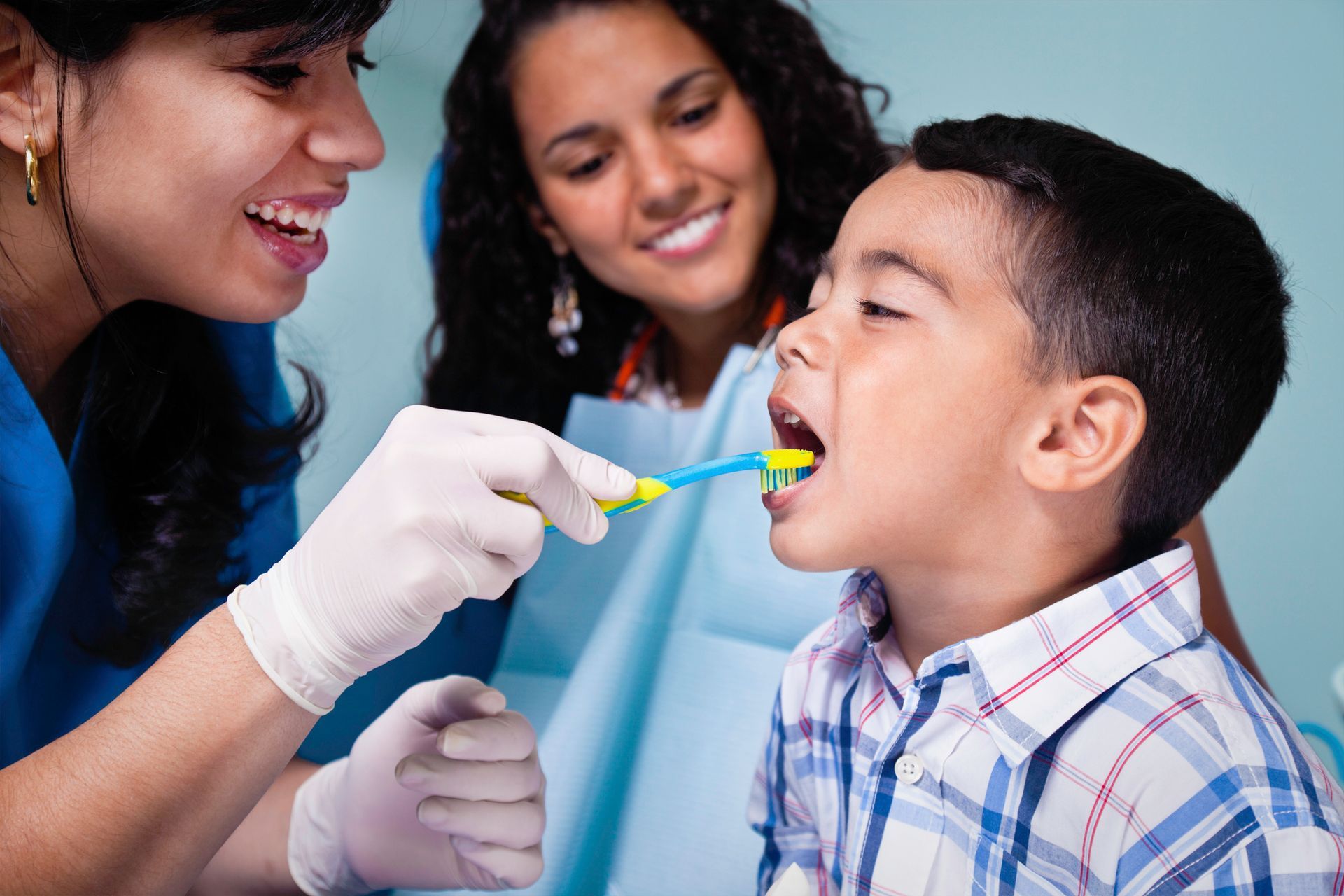
At Dentistry 4 Children, every pediatric dental visit includes:
- Professional cleaning: Removes plaque and tartar that brushing can miss
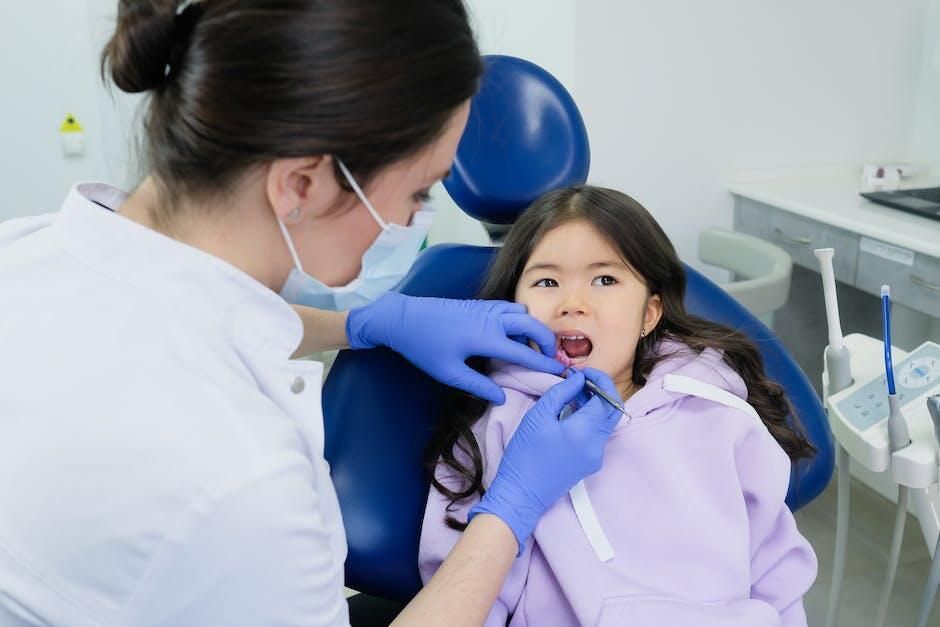
- Comprehensive exam: Detects early signs of cavities and other dental issues
- Fluoride application: Strengthens enamel and helps prevent decay
- Personalized dietary and hygiene guidance
These visits are educational for parents and comforting for toddlers, building positive dental experiences early on.
How Often Should Toddlers Visit the Dentist?
The American Academy of Pediatric Dentistry recommends that a child’s first dental visit occur by their first birthday or when the first tooth erupts. After that, routine exams every six months help track growth and prevent cavities. Early, consistent dental care builds a foundation for lifelong oral health.
What to Expect at Your Child’s First Dental Visit
For many parents, that very first dental appointment can feel a little intimidating. But knowing what to expect helps make the experience smooth and stress-free, for both you and your toddler.
At Dentistry 4 Children, the goal of the first visit is simple: to help your child feel comfortable and begin building trust with the dental team. Here’s what usually happens:
- Warm welcome and gentle introduction: The team will greet you and your child in a friendly, playful manner to ease any nerves.
- Short tour and chair time: Toddlers are introduced to the dental chair and instruments in a fun, non-threatening way.
- Quick exam of baby teeth: The dentist checks for early
signs of decay, assesses the bite, and looks at gum health.
- Parent education: You’ll receive expert tips on brushing, flossing, healthy snacks, pacifier use, and more.
- Optional cleaning or fluoride treatment: If your child is cooperative, the visit may include a gentle cleaning and fluoride application.
This appointment usually lasts 30–45 minutes and is geared toward making your child’s early experiences positive. It's also an opportunity for you to ask questions and feel supported as a parent.
Regular visits every six months will keep your child on track and help make trips to the dentist something your little one looks forward to.
Understanding Early Tooth Decay
Tooth decay in young children may not always be obvious. Signs to watch for include:
- White spots on teeth
- Dark or brown spots
- Complaints of tooth sensitivity
- Difficulty chewing
Cavities develop when plaque acids break down enamel and can progress rapidly if untreated. Fortunately, early detection during wellness exams can prevent more serious problems.
What Causes Early Childhood Cavities?
Early childhood cavities is often linked to:
- Frequent exposure to sugars
- Bedtime bottles with juice or milk
- Sharing utensils that transfer bacteria
Maintaining good nutrition and oral hygiene significantly lowers the risk.
The Role of Dental Sealants
Sealants are a valuable protective measure often discussed during pediatric dental appointments.
What Are Dental Sealants?
Dental sealants are thin, protective coatings applied to the chewing surfaces of back teeth. These areas are prone to decay because their grooves can trap food and bacteria.
Sealants:
Act as a barrier against plaque and acids
Are painless to apply
Can dramatically reduce the risk of cavities in permanent teeth
While sealants are more common for older children when permanent molars come in, discussing them with your pediatric dentist helps you plan for your child’s long-term dental health.
Establishing a Bedtime Oral Hygiene Routine
Even for the busiest families, a consistent bedtime routine that includes brushing and winding down can make a major difference in preventing cavities.
Here are some realistic tips to help make brushing part of your child’s nighttime routine:
1. Start with a predictable routine
Bath → Pajamas → Brush teeth → Book → Bed — Toddlers thrive on structure. Keeping the order consistent helps them know what’s coming next.
2. Make brushing fun, not a chore
Let them pick their toothbrush and toothpaste flavor. Use a favorite song or timer to hit the two-minute mark. You can also try storytelling while brushing to keep their attention.
3. Use positive reinforcement
Create a sticker chart or small rewards to celebrate consistent brushing. Even something as simple as a high five or bedtime story “bonus” can build motivation.
4. Brush together
Toddlers love to copy grown-ups. Brushing your teeth at the same time shows them that it's a normal, daily habit for everyone, not just kids.
5. End with a rinse or drink of water
This final step helps clear any lingering food particles and leaves the mouth clean for overnight healing and rest.
Tips for Making Dental Habits Stick
For many working parents, consistency can be a challenge. Here are practical habits that make oral health easier:
Turn Brushing Into a Routine
Create fun moments around brushing:
- Use a favorite toothbrush or toothpaste flavor
- Brush together as a family
- Sing a favorite song during brushing for two minutes
Consistency helps toddlers view brushing as a normal part of their day.
Encourage Healthy Snacking
Make healthy foods easy to grab:
- Keep washed fruits and cut veggies in the fridge
- Choose whole grains and cheese cubes
- Offer water instead of juice
Gradually, toddlers will learn to choose snacks that taste good and help keep their smiles bright.
Frequently Asked Questions (FAQ)
At what age should my toddler first see a dentist?
Your toddler’s first dental visit should be by their first birthday or when the first tooth appears, whichever comes first. Early visits help set the stage for a lifetime of healthy dental habits.
Can eating habits really prevent cavities?
Yes. A balanced diet low in frequent sugars significantly reduces the food supply for decay-causing bacteria. Pairing healthy eating with good oral hygiene virtually eliminates many cavity risks.
Are dental sealants safe for kids?
Absolutely. Sealants are a proven, pain-free preventive tool to protect the grooves of molars, the area most prone to decay.
How can I help my toddler brush properly?
Use a soft-bristled toothbrush and a pea-sized amount of fluoride toothpaste. Make it fun with music or a brushing chart to reward consistency.
What if my child refuses to brush?
Try playful approaches: turn brushing into a game, let them choose their toothbrush, or brush together as a family. Positive reinforcement often works wonders.
How do regular dental cleanings help my child?
Professional cleanings remove hardened plaque (tartar) and give your pediatric dentist a chance to check for early signs of cavities or alignment issues before they become serious.
Schedule Your Visit to Promote Lifelong Dental Health
Healthy eating habits go hand-in-hand with regular dental care. At Dentistry 4 Children, Dr. Lisa Richardson and the caring team in Friendswood, TX, are dedicated to helping families establish positive habits that lead to strong, cavity-free smiles. With board-certified pediatric dentistry, gentle care, and educational support for parents and toddlers alike, this practice is committed to being a trusted dental home for your child.
Whether it’s your toddler’s first exam or another routine visit, schedule a cleaning and dental checkup today and take a proactive step toward lifelong oral health.