
What Parents Need to Know About Special Needs Dentistry

Introduction

When you’re a working parent in Friendswood, TX, finding a dentist you can trust, especially one who understands the unique challenges of special needs children, is a top priority. Healthy smiles are about more than just sparkling teeth; they’re about confidence, comfort, and overall well-being. That’s why Dentistry 4 Children provides specialized care tailored to children with physical, developmental, or emotional challenges in a welcoming, kid‑friendly environment. 


In this guide, we’ll walk through what special needs dentistry looks like, why regular checkups and cleanings matter, how stress and dental health are connected, common problems and prevention tips, and answers to frequently asked questions to help you feel confident managing your child’s oral healthcare.

What “Special Needs Dentistry” Really Means

When people hear “special needs dentistry,” they often think of something entirely different than a typical dental visit, and that’s okay. At its core, special needs dentistry is all about providing compassionate, customized care for children who may have physical, sensory, developmental, or emotional challenges that affect their ability to receive dental treatment comfortably. 


At Dentistry 4 Children, pediatric dentist Dr. Lisa Richardson and her experienced team take time to understand each child’s individual needs. Dr. Richardson is board‑certified and a Diplomate of the American Board of Pediatric Dentistry, and she has special training and a gentle approach to help children — especially those with anxiety or sensory sensitivities — feel safe during dental visits. 


Whether your child has autism, sensory processing challenges, or social and emotional needs, the office uses techniques that reduce fear and build comfort. This isn’t just dentistry — it’s supportive, child‑centered care. 

Why General Dentistry Still Matters

Even for children with special needs, the foundation of oral health is fantastic general dental care. This includes routine checkups, exams, and preventive treatments that help protect teeth and gums from decay and disease. Dentists who specialize in caring for kids understand that early, consistent general care sets the stage for a lifetime of healthy smiles.

The Importance of Regular Checkups

Regular dental checkups are essential for:


  • Tracking dental development: A pediatric dentist watches how teeth come in and how your child’s bite develops.

  • Early detection: Catching problems like cavities early reduces the need for more extensive treatment later.

  • Education and habits: These visits are a great time to reinforce good brushing and flossing habits.

Dentistry 4 Children emphasizes gentle, welcoming visits so that each appointment builds trust, even for children who struggle with new environments or people. 

Why Cleanings Are More Than Just “Polish and Shine”

Professional cleanings are among the most important aspects of pediatric dental care, especially for children with special needs. While daily brushing and flossing are essential, even the best home care can leave behind plaque and tartar, and over time, that buildup can lead to serious dental problems.


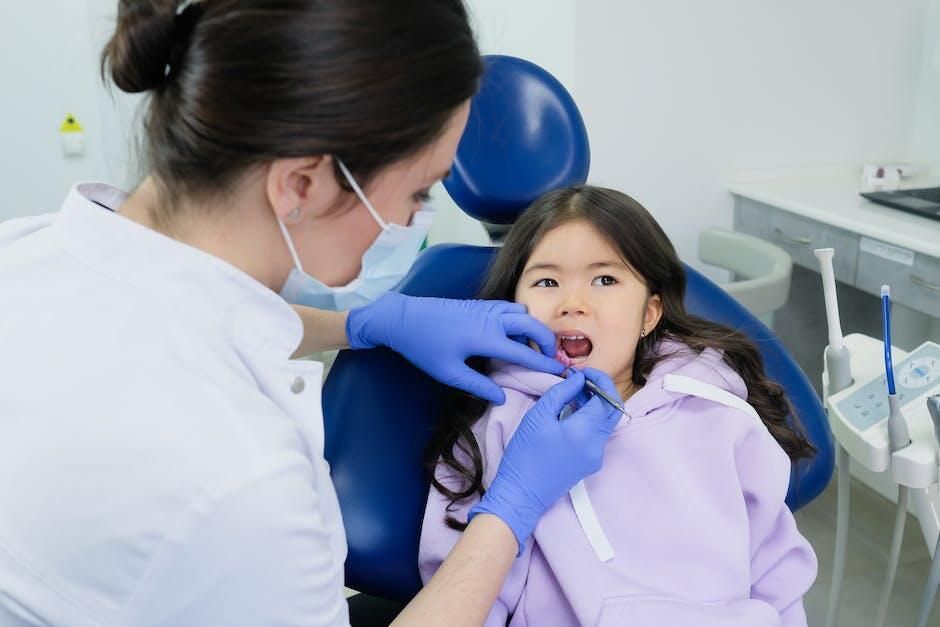
During a cleaning at Dentistry 4 Children, a trained pediatric dental hygienist gently removes hardened tartar and sticky plaque from areas that can be hard to reach with a toothbrush, like behind the molars or near the gumline. This deep clean not only freshens your child’s breath but also significantly reduces the risk of gum disease and cavities.


Here’s why these cleanings are essential:


  • Remove plaque and tartar buildup that regular brushing can miss

  • Reduce the risk of gingivitis and other forms of gum disease

  • Help dentists spot signs of early decay, misalignment, or enamel wear

  • Prevent future discomfort, infections, or the need for more invasive treatments

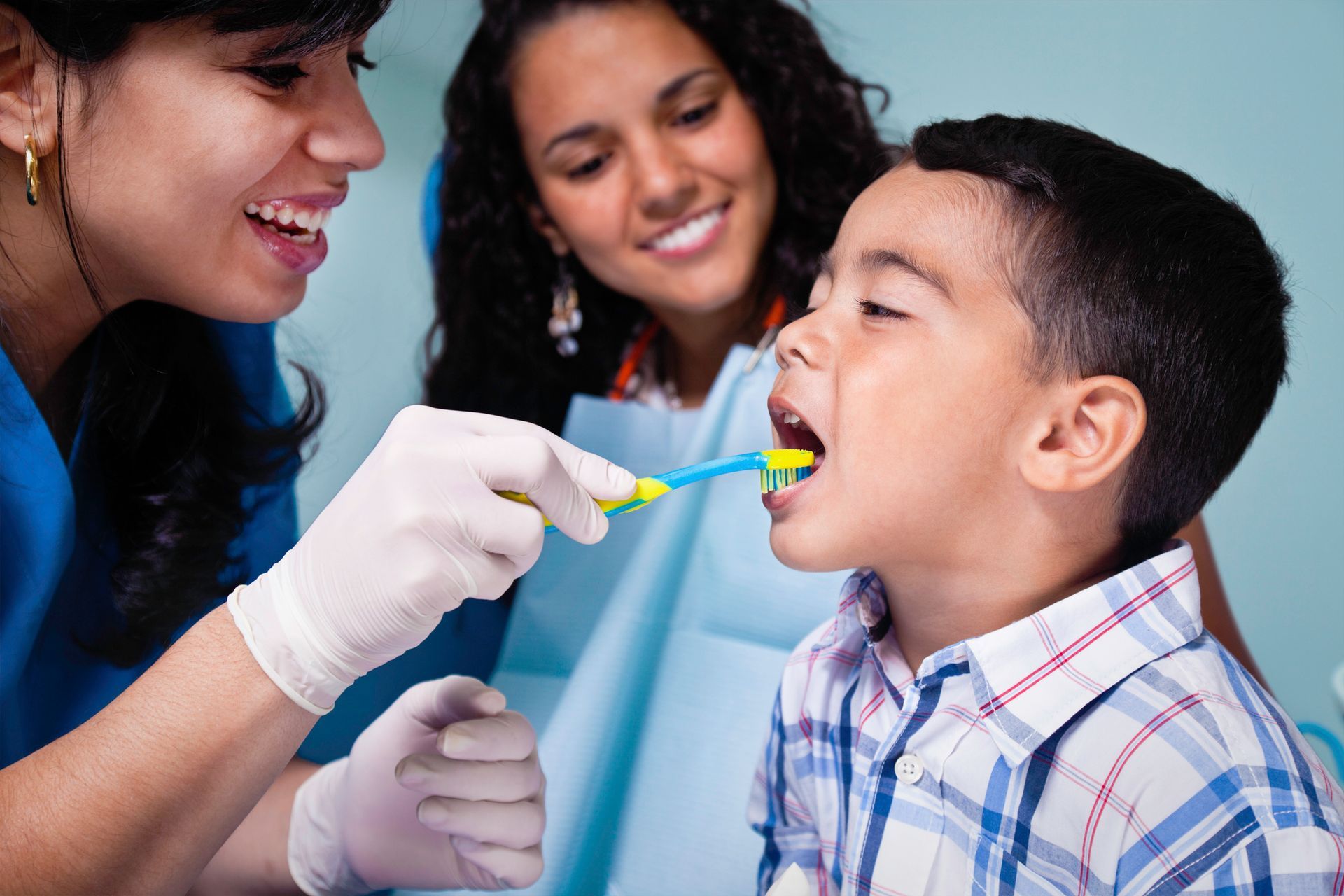
But cleanings are about more than just tools and technique — they’re an opportunity to build positive associations with dental visits. The team uses simple, kid-friendly language to describe what’s happening, celebrates milestones (like cavity-free checkups), and encourages children to take pride in their oral hygiene.


For children with sensory sensitivities, the practice takes extra care to ensure the experience is as comfortable as possible. That might mean adjusting the pace of the visit, using desensitization techniques, or scheduling shorter appointments based on your child’s comfort level.


Ultimately, these appointments are confidence builders. They’re a chance to reinforce healthy habits in a way that feels safe and positive — not stressful or scary. For many families, routine cleanings become the foundation of a lifetime of healthy dental habits.

Common Dental Problems Parents Should Know

Even with great home care, kids can face dental challenges. Here’s what to watch for — and how to prevent them:


1. Cavities (Dental Decay)

Cavities are the most common dental problem in children. They form when sugars in food interact with bacteria in plaque, producing acids that erode tooth enamel.


Prevention Tips:

  • Brush twice a day with fluoride toothpaste

  • Limit sugary drinks and snacks

  • Schedule regular dental cleanings and exams

2. Gum Irritation and Gingivitis

Poor brushing or prolonged food debris along the gumline can lead to redness, swelling, or tender gums — even in young children.


Prevention Tips:

  • Teach gentle, thorough brushing

  • Make flossing part of the daily routine once teeth touch

  • Talk with a pediatric dentist about tools for kids with limited dexterity

3. Sensitivity or Anxiety at the Dentist

Children with sensory sensitivities or anxiety can feel overwhelmed by sounds, lights, toothbrushes, or dental tools. This isn’t “just fear” — it’s a genuine sensory experience that requires tailored care.


The team at Dentistry 4 Children works with parents to make visits comfortable, sometimes allowing a child to sit on a parent’s lap, explaining each step before it happens, and welcoming comfort items. They also offer sedation options when needed to help kids stay relaxed and pain‑free. 

How Stress Affects Oral Health

Stress isn’t just an emotional experience — it can show up in your child’s mouth.


  • Teeth Grinding: Known as bruxism, this can wear down enamel and lead to jaw discomfort.

  • Neglecting Care: When a child (or parent) is overwhelmed, brushing and routine visits can fall by the wayside.

  • Behavior Changes: Stress can aggravate picky eating, tooth avoidance, or sensitivity to dental routines.

That’s why it’s so important to work with a dentist who understands how behavioral and emotional stress can affect dental care, and to choose a practice that makes appointments feel predictable, safe, and supportive.

The Role of Parents in Supporting Dental Health at Home

Your role as a parent is central to your child’s dental success — especially when sensory or motor challenges make home care difficult. Here are some helpful strategies:


  • Use adaptive tools like toothbrushes with larger grips, electric brushes, or flossing aids

  • Create a consistent routine at the same time each morning and evening

  • Brush together so your child can imitate your technique

  • Use music, timers, or visual charts to make brushing fun and predictable

  • Celebrate successes with rewards or praise

If your child resists brushing, talk with your pediatric dentist; they can recommend tools and techniques that work with your child’s needs and preferences.

When and Why Sedation Dentistry May Be Recommended

For some children, the stress or physical discomfort of a dental procedure may require sedation. At Dentistry 4 Children, sedation is always used safely and conservatively, and only when needed.


Types of Sedation Offered:

  • Nitrous oxide (laughing gas): Mild and fast-acting, often used for cleanings or fillings

  • Oral conscious sedation: Taken by mouth before the visit, helps kids relax while staying awake

  • General anesthesia: Used in rare cases for extensive procedures or when other options aren't suitable

When Sedation May Be Helpful:

  • Severe anxiety or fear

  • Inability to sit still or tolerate sensations

  • Extensive dental work

  • Strong gag reflex

Your dentist will walk you through the options and recommend what’s best for your child’s comfort and safety.

What Makes Special Needs Dentistry Different?

A traditional dental visit might feel rushed or unfamiliar. Special needs dentistry, by contrast:

  • Encourages calm and predictability

  • Uses sensory‑friendly techniques

  • Allows extra time for comfort and communication

  • Involves parents in care planning

  • Offers sedation when needed to prevent discomfort

For example, some children with autism may be more comfortable when the dentist shows them every tool before use or lets them bring a familiar object. Others respond better when the lighting and sounds are adjusted. These individualized approaches make a world of difference.

FAQs About Special Needs Dentistry

Q: How often should my child see the dentist?

A: Most children benefit from checkups every six months, even if they have special needs. More frequent visits might be recommended depending on dental health or behavior.


Q: What if my child has severe anxiety?

A: Special needs dentists often use calming strategies, patience, and sometimes sedation dentistry to provide comfortable care. 


Q: Should I bring comfort items?

A: Yes! Favorite toys, music, or blankets can make your child feel more secure during a visit. 


Q: Are cleanings still necessary for children with special needs?

A: Absolutely. Cleanings support overall oral health and reduce the risk of decay and gum problems — especially important for children who might find brushing challenging at home. 

Building Healthy Habits Together

For parents juggling work, life, and family health, choosing the right pediatric dentist matters. Special needs dentistry isn’t just about fixing teeth — it’s about creating a safe, trusting partnership between your child, your family, and your dental team. Dentistry 4 Children takes pride in offering compassionate, experienced care in a space designed for comfort and success. 


From foundational preventive care like cleanings and regular checkups to tailored strategies for sensory support and behavior management, every visit is an opportunity to strengthen your child’s dental health and confidence.

Ready to Take the Next Step?

If you’re a working parent in Friendswood or nearby Texas communities searching for a pediatric dentist who truly understands special needs dentistry, Dentistry 4 Children is here for you. With board‑certified expertise, a gentle team, and a family‑focused approach, your child’s healthy smile starts with a visit you can feel good about. 


Call today to schedule your appointment and learn how we can support your child’s unique dental needs.

Close-up of a baby with mouth open, cheeks held by hands. Baby is lying down, eyes closed.
By Dentistry 4 Children October 28, 2025
Discover how a frenectomy can improve your child’s feeding, speech, and oral health. Learn when it’s needed and how it supports early development.
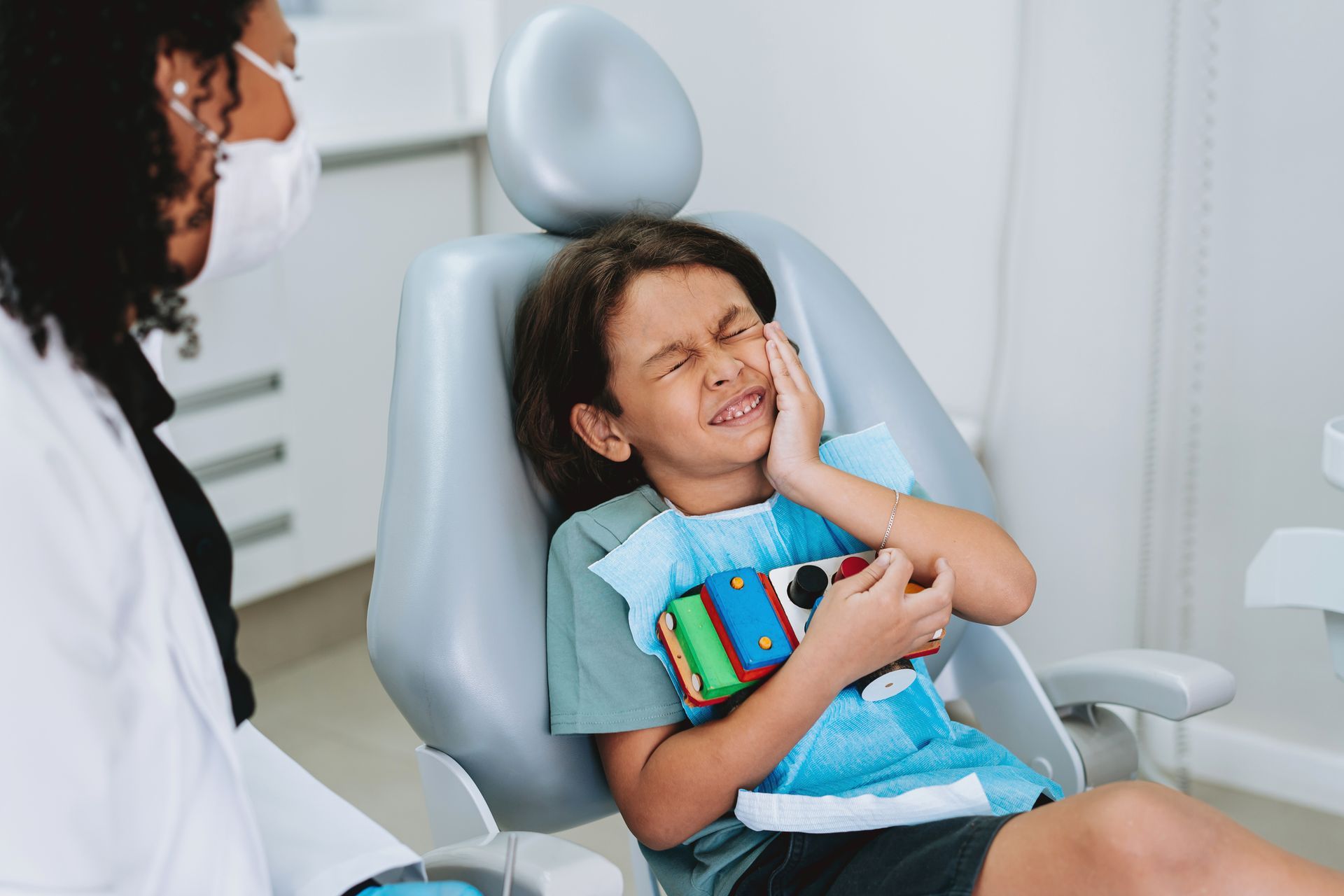
Boy in dentist chair holds cheek in pain as dentist in mask looks on.
By Dentistry 4 Children August 20, 2025
Learn how to protect your child’s smile during summer sports in Friendswood, TX. Discover prevention tips, mouthguard options, and what to do in a dental emergency from the experts at Dentistry 4 Children.
By Dentistry 4 Children June 13, 2025
More than half of children develop at least one cavity in their baby teeth by the age of eight , according to the CDC. Tooth decay ranks among the most prevalent long-term health issues affecting children in the United States. As a parent, you do everything to protect your child's health. But even with brushing and regular checkups, tooth decay can sneak in , especially in the deep grooves of molars. That is where dental sealants come in. Dental sealants are an effective, preventive dental treatment designed to protect your child's teeth from cavities. Sealants could be the answer if you are a busy parent in Friendswood, TX, seeking proven solutions to support your child's dental health. Let us learn how this simple treatment can give your child a healthier smile and fewer dental visits down the road. What Are Dental Sealants? Dental sealants are thin, protective coatings made from safe, BPA-free dental resin. Pediatric dentists apply them to the chewing areas of the very back teeth, typically the pre-molars and molars, because these teeth are the most vulnerable to developing cavities. These back teeth are filled with deep pits and narrow grooves that trap food and plaque. Even with proper brushing, these areas can be challenging to clean and reach. Sealants operate by filling in those grooves and creating a smooth, protective layer over the tooth. This barrier blocks bacteria, food debris, and acids from settling into the enamel and starting the decay process. How Dental Sealants Work Sealants act as a powerful shield over the tooth's surface. Once applied, they seal the grooves where food particles and bacteria most often gather, reducing the risk of cavities. This protective function is especially crucial during a child's cavity-prone years . Below are the key steps in how dental sealants work to safeguard your child's smile: Sealants bond to the grooves and pits of molars They dry into a hard, plastic-like coating The surface becomes smoother, making it easier to clean Sealants are beneficial during the cavity-prone years of ages 6 to 14. The Sealant Application Process The sealant application process is quick, painless, and non-invasive. It is designed to be comfortable for children and does not require anesthesia. Most kids find the procedure easy and even enjoyable, especially in a friendly pediatric setting. Here is how it works: Step 1: Cleaning the Tooth The tooth is cleaned to remove plaque, food particles, and any surface debris. This ensures the sealant adheres well without being blocked by unwanted residue. Step 2: Preparing the Tooth Surface A gentle acidic solution, usually a type of dental etchant, is applied to the chewing surface. This slightly roughens the enamel to create a stronger bond between the sealant and the tooth. Step 3: Applying the Sealant After rinsing and drying the tooth again, the dentist carefully paints the liquid sealant into the deep grooves and fissures. The sealant flows into these crevices, creating a thin but durable protective coating. Step 4: Hardening the Sealant A curing light is used to harden the sealant material quickly. In seconds, the liquid transforms into a solid barrier that shields the tooth from bacteria and decay. The entire process takes only a few minutes per tooth. There is no drilling, no needles, and absolutely no discomfort involved during the sealant procedure. Your child can return to normal activities right after the visit. Benefits of Dental Sealants for Kids Applying sealants during childhood can provide years of protection. They serve as a proactive approach to dental care, minimizing the risk of cavities before they develop. In addition to preserving your child's natural teeth, sealants help reduce future dental treatment needs. Some of the top benefits include: Effective cavity prevention in hard-to-reach molars Cost-effective compared to fillings or restorative treatments Quick and painless application Long-lasting protection for up to 9 years with proper care Safe and tested for pediatric use Preventing Tooth Decay Early Tooth decay in children can lead to pain, infection, difficulty eating, and missed school days. Left untreated, it can impact your child's: Speech development Nutrition Self-esteem Dental issues at an early age often carry into adulthood if not addressed. Sealants play a critical role in preventing tooth decay before it starts. Children with sealants have fewer cavities and are less likely to require fillings or crowns later in life. This early protection preserves the structure of their natural teeth and helps avoid more invasive procedures down the road. It also means fewer dental visits for treatment and less anxiety associated with dental care. Combined with regular cleanings and a good brushing routine, dental sealants help your child maintain a healthy, confident smile. Are Sealants Safe for Children? The materials used for sealants have been tested and are approved for use in dental care for kids. They are BPA-free or contain low levels that are not considered harmful. Dentists recommend sealants for: Children with deep grooves in their molars Kids who have already had cavities Children with special needs who may have difficulty brushing Best Sealants for Teeth: What to Ask Your Dentist Parents often ask about the best sealants for teeth. The right choice depends on your child's needs and the dentist's recommendation. Some sealants are clear, allowing dentists to monitor the tooth underneath. Others are white or slightly tinted for visibility. Discuss with your pediatric dentist: Material safety and durability Whether sealants are fluoride-releasing Expected lifespan of the sealants Children’s Dental Health: Sealants and More While sealants are powerful, they work best when combined with a complete at-home and professional oral care routine. Good dental habits reinforce the protection sealants provide and help ensure long-term results. They work in harmony to keep your child's mouth clean and healthy. While sealants are powerful, they work best when combined with other good habits, such as: Brushing with fluoride toothpaste twice a day Flossing daily Limiting sugary drinks and snacks Routine dental cleanings and exams At Dentistry 4 Children, we take a preventive approach to children's dental health, providing personalized guidance and education for parents. Why Pediatric Dentists Recommend Sealants Pediatric dentists are specially trained to work with children, including those with dental anxiety or special healthcare needs. Their training includes: Advanced behavioral techniques Communication strategies A deep understanding of childhood development They use a combination of: Friendly explanations Distraction methods A comforting tone This ensures kids feel at ease during appointments. They understand how to make procedures like sealants stress-free. Many parents in Friendswood , Pearland, and League City choose Dentistry 4 Children because of our warm, child-centered approach. We emphasize prevention, comfort, and education. We also provide multiple sedation options when needed, helping children who might otherwise struggle with dental care. When Should My Child Get Sealants? Timing is critical when it comes to sealant effectiveness. Applying them at the right stage in your child's dental development maximizes their protective benefits. Most dentists recommend applying sealants as soon as permanent molars come in: First molars around age 6 Second molars around age 12 The earlier the sealant is applied, the more protection it offers. Children at high risk for cavities may also benefit from sealants on their baby teeth. How Long Do Dental Sealants Last? Dental sealants can last up to 9 years, but their effectiveness decreases over time. Regular checkups allow your dentist to monitor sealants and reapply them as needed. Children who grind their teeth or chew hard foods may require more frequent evaluations. Can My Child Eat After Getting Sealants? There are no food restrictions after the procedure. Your child can eat and drink right away without worrying about damaging the sealants. Just encourage them to maintain good brushing habits to keep the sealants and surrounding teeth clean. What if My Child Already Has Cavities? A dentist can treat decay and still apply sealants to other healthy teeth. Placing sealants on teeth that have not yet developed cavities can prevent the spread of decay and protect vulnerable surfaces. Your child's dentist will evaluate each tooth and create a personalized plan to ensure long-term protection and optimal oral health . Sealants Are Worth the Investment Compared to the cost of fillings or crowns, sealants are an affordable option and are often covered by many insurance plans. Sealants save money and protect your child's oral health in the long term. If you are a working parent, adding sealants during a regular cleaning visit makes it easy to fit into your schedule. Dental Care for Kids in Friendswood, TX Parents in Friendswood, Pearland, and League City trust Dentistry 4 Children to provide expert dental care for kids. Our team is trained in calming techniques and dental care for children with anxiety or sensory challenges. Every child deserves a gentle introduction to dental visits. We are committed to making each visit as relaxed and positive as possible. Protect Your Child’s Smile With Dental Sealants Dental sealants play a crucial role in maintaining your child's teeth's strength and health. When paired with good hygiene and professional care, they reduce the risk of cavities.  At Dentistry 4 Children in Friendswood, Dr. Lisa Richardson and her caring team have been serving local families for over 20 years. Driven by a passion to help all children, including those with special needs, Dr. Richardson believes that no child should fear the dentist. Schedule your child's appointment today and ask about dental sealants during your visit.
By Dentistry 4 Children May 20, 2025
According to the CDC, Half of U.S. children aged six to nine have had cavities in their baby or permanent teeth. That's a staggering number for something that's completely preventable with early care. Your baby's first dental visit isn't just a cute milestone, it's your child's starting line for strong, lifelong oral health. Many parents delay the first appointment, thinking it isn't necessary until school age. But by then, early signs of decay may have already taken hold. When you know what to expect, it's easier to walk in with confidence. From the moment you meet your pediatric dentist, you'll get clear answers, gentle care, and useful tips. The visit only takes a short time but lays a lasting foundation. Read on to see how simple it is to give your child a strong start. Setting the Right Expectations Your child's first dentist appointment can feel unfamiliar, but there's nothing to fear. Pediatric dentists know how to keep little ones calm and curious. The goal is comfort, not treatment. Think of this visit as a friendly introduction. Expect a warm welcome when you arrive. You'll check in, fill out a few forms, and then meet the dental team. They'll talk to your child in a way that builds trust fast. Some kids may sit on your lap while the dentist looks inside their mouth. A quick look at the gums and first teeth helps spot early signs of decay. You'll also talk about cleaning routines and healthy snacks. Common questions during the first visit include: When to brush When to floss What toothpaste to use Thumb sucking habits Tooth-friendly snacks Your child's comfort matters more than a perfect exam. If things don't go smoothly, that's okay; building comfort takes time. By setting expectations early, you help your child feel safe and involved. That trust makes future visits smoother and stress-free. Why Baby Teeth Matter Baby teeth fall out, but their role is serious. These tiny teeth hold space for adult ones and help your child eat, smile, and speak clearly. Damage to baby teeth can lead to infection or pain. That's why early visits focus on prevention . Your pediatric dentist may clean the teeth gently and check for any signs of trouble. First teeth care isn't just brushing, it's full-mouth health. You'll get tips on how to clean the gums, wipe the tongue, and handle teething. Important topics include: Gum care routines Teething relief Fluoride use Bottle or pacifier habits Keeping baby teeth healthy protects future oral development. Delaying care might lead to cavities, speech problems, or bite issues. Don't wait until something hurts. With early visits, your child stays ahead of problems while learning that the dentist is a friend. What the Pediatric Dentist Looks For During the exam, your pediatric dentist checks for more than cavities. The goal is to understand how your child's mouth is developing and what support it needs. The visit often starts with a gentle count of the teeth. From there, the dentist examines gum color, bite alignment, and jaw growth. These signs offer clues to your child's overall health. Key areas the dentist may assess: Tooth spacing Bite position Gum health Lip and tongue movement Even small signs can reveal bigger issues later. The dentist may ask about thumb sucking, breathing habits, or how your child swallows. If needed, you'll leave with follow-up steps or referrals to specialists. But often, it's a simple check-in and lots of encouragement. Your child's oral health is more than a smile. It's how they speak, chew, and thrive. The sooner your dentist spots concerns, the easier they are to guide. How You Can Prepare A smooth visit starts before you walk through the door. Kids follow your cues. If you stay calm and upbeat, your child is more likely to do the same. Talk about the visit in a fun, light way. Say the dentist counts teeth or checks smiles. Avoid saying "it won't hurt"; this plants the idea that something might. Tips to make it easier: Read dental books Watch kid-friendly videos Role-play a visit Bring comfort items Schedule when rested Planning ahead helps your child walk in feeling in control. Keep meals light before the visit and brush at home. Try not to rush or show stress. You're not expected to be perfect. Your support means more than any prep. If your child cries or resists, let the dental team guide things. They've seen it all. Building Habits That Last After the first visit, your dentist will discuss the next steps with you. Your child's oral health grows from everyday routines, not just check-ups. You'll get advice on brushing techniques , when to floss, and how diet plays a role. Avoiding sugary drinks and snacks is one of the biggest keys. Good daily habits include: Twice-a-day brushing Tiny smear of toothpaste Flossing once the teeth touch Water instead of juice Strong routines now build confidence later. Children who learn to brush early are more likely to care for their teeth as they grow. Expect to return for check-ups every six months . These visits catch small changes before they turn into big ones. They also show your child that care is constant, not scary. Start small and keep it simple. Each step adds up. When those steps become second nature, your child's smile grows stronger with every day. Planning Your Baby's First Dental Visit Your baby's first dental visit is the first step in ensuring a lifetime of healthy smiles. From here, you'll focus on developing strong oral hygiene habits and keeping a routine of regular check-ups. Ready to give your child a healthy start? With a focus on gentle care and a welcoming environment, we make your child's first dental visit an experience they'll look forward to. Let us help you create a bright future for your child's smile. Our pediatric specialists are here to ensure your child's oral health is in the best hands, making every visit both fun and effective. Contact our expert team at DDS4Children in Pearland today!
A little girl is sitting in a dental chair being examined by a dentist.
By Dentistry 4 Children March 17, 2025
According to Child Stats, it is estimated that three million kids go to the emergency room for injuries yearly. Dental injuries, in particular, are common in children, especially those who are active in sports, playground activities, or simply exploring their surroundings. Knowing what to do and how to respond to a dental emergency can be hectic if you do not know what to do. But if you act fast and have a plan, you can prevent complications, minimize pain, and even save a tooth. Understanding first aid for dental injuries can help parents and your local family dentist provide immediate care before seeking professional treatment at a trusted pediatric dentist in Pearland . Common Types of Dental Injuries in Kids Children can experience various dental injuries, ranging from minor chips to severe trauma that requires emergency dental care. One of the most frequent injuries is a chipped or broken tooth. This is often caused by falls but can also be due to bike accidents or biting into hard objects. While minor chips may not cause immediate pain, more extensive fractures can expose nerves and lead to significant discomfort. Another serious dental injury is a knocked-out tooth, also known as an avulsed tooth. When a permanent tooth is completely dislodged from the mouth, immediate action is crucial to improve the chances of saving it. In contrast, if a baby tooth is knocked out prematurely, attempting to reinsert it can cause damage to the developing permanent tooth underneath. A loose or displaced tooth is another common issue that can occur due to blunt force trauma. While some cases resolve independently, others require professional dental evaluation to ensure the surrounding structures remain intact. If your child experiences a dental emergency, learning about common pediatric dental emergencies can help you take the proper steps. Tooth intrusion occurs when a tooth is pushed further into the gums due to an impact. This type of injury is more common in younger children whose jawbones are still developing. Tooth intrusion can lead to complications, such as damage to the underlying permanent teeth, making it essential to visit an emergency pediatric dentist in Friendswood for proper assessment. Lastly, injuries to the lips, tongue, or gums often accompany dental trauma. These soft tissue injuries can cause significant bleeding and pain, increasing the risk of infection if not properly treated. Immediate First Aid Steps for Dental Injuries Providing immediate comprehensive oral care for dental injuries can significantly improve the outcome. For a chipped or broken tooth, it is essential to rinse the child's mouth with warm water to remove debris. Applying a cold compress to the affected area can help reduce swelling and alleviate pain. If possible, collect any broken fragments and bring them to a dentist. If a permanent tooth is knocked out, locate it and handle it only by the crown, avoiding contact with the root. If the tooth is dirty, rinse it gently with water, but do not scrub or remove any attached tissue. If possible, reinsert the tooth into the socket and have the child bite on a clean cloth to hold it in place. If reinsertion is not feasible, store the tooth in milk or the child's saliva and seek emergency dental care immediately. For a step-by-step guide on managing a knocked-out tooth, check out this helpful resource on handling pediatric dental emergencies . Stabilizing a loose or displaced tooth by having the child bite down gently on a piece of gauze is essential. Avoid repositioning the tooth forcefully, as this could cause additional damage. A child-friendly dentist should assess the injury as soon as possible. Tooth intrusion should be treated with caution. Attempting to reposition the tooth at home is not recommended. Instead, apply a cold compress if the tooth is swelling and schedule an emergency dental visit. Seeking care from a pediatric emergency dentist in Friendswood can ensure the injury is managed appropriately. For soft tissue injuries, such as cuts to the lips, tongue, or gums, applying gentle pressure with a clean cloth or gauze can help control bleeding. A cold compress can reduce swelling, and rinsing with salt water may help prevent infection. When to Seek Professional Dental Care While minor dental injuries may not require immediate attention from a family dentistry practice, certain signs indicate the need for urgent dental care. Severe pain, swelling, excessive bleeding, or a knocked-out permanent tooth warrant an emergency visit to a dentist. Additionally, any signs of infection, such as: Pus Fever Red streaks near the injury site These should not be ignored. Understanding when to seek professional care can help prevent long-term complications. Parents can find more information on common pediatric dental emergencies . Prevention Tips to Reduce Dental Injuries While accidents are sometimes unavoidable, certain precautions can help minimize the risk of dental injuries in children. Wearing a properly fitted mouthguard during sports and recreational activities provides essential protection against impacts. Childproofing the home by securing furniture edges and installing safety gates can prevent falls that lead to dental trauma. Encouraging children to avoid chewing hard objects like ice, pens, or hard candy can also reduce the likelihood of chipped or broken teeth. Teaching good dental hygiene habits , including brushing and flossing regularly, strengthens teeth and enhances their resilience against injury. Additionally, parents should be prepared for unexpected dental emergencies while traveling. Knowing where to find emergency dental care can be invaluable in an unfamiliar location. If your child experiences a dental emergency away from home, reviewing these tips for handling dental emergencies while traveling can be beneficial. Need a Local Family Dentist? Contact Dentistry 4 Children Understanding first aid for dental injuries in children can make a significant difference in preserving their oral health. By acting quickly and getting affordable dental services, parents and caregivers can reduce pain, prevent complications, and increase the chances of saving an injured tooth. Here at Dentistry 4 Children, we know how scary these accidents can be for children. That is why we do everything possible to provide a safe and supportive local family dentist environment. So contact us today to get your child the help they need.
A little girl with curly hair is smiling for the camera.
By Dentistry 4 Children January 30, 2025
Can bad teeth make you sick? Find out how cavities and gum problems can affect kids' health and learn easy tips to keep their smiles healthy and strong!
A little girl is sitting in a dental chair and smiling.
By Dentistry 4 Children November 21, 2024
Explore the different types of pediatric dental sedation with our guide. Find out why these methods are safe and how they can ensure your child's comfort today.
A young girl is sitting in a dental chair getting her teeth examined by a dentist.
By Dentistry 4 Children October 21, 2024
Explore these proven methods for a child who's scared to go to the dentist. Learn about sedation and behavioral therapy options to ensure a stress-free visit.
A young boy is sitting in a dental chair looking at his teeth in a mirror.
By Dentistry 4 Children September 20, 2024
How do cavities form in children's teeth, and what can parents do to prevent them? Explore helpful dental tips and best practices for children in this guide.
a woman wearing glasses and a sweater is smiling and touching her face .
By Dentistry 4 Children February 14, 2024
Do you know how to prevent or manage gum disease? Read here for some deep cleaning tips and learn about the best toothpaste for gum disease.