
How to Handle a Dental Emergency: A Parent’s Guide

As a parent, it is natural to worry about your child’s health, especially when it comes to their teeth. Dental emergencies can happen unexpectedly, from a sudden fall to a broken tooth during playtime. Understanding how to handle these emergencies efficiently can make a significant difference in your child’s oral health. In this guide, we will explore common dental emergencies, when to visit a pediatric emergency dentist, and how to find one in the Pearland and Friendswood, TX area.
What is Emergency Dentistry?
Emergency dentistry focuses on the immediate treatment of dental problems that arise suddenly, often causing pain or injury. These emergencies often require prompt attention to prevent further complications. Whether it is a knocked-out tooth, a severe toothache, or a dental injury, emergency dentists are specially trained to handle such situations swiftly and effectively.
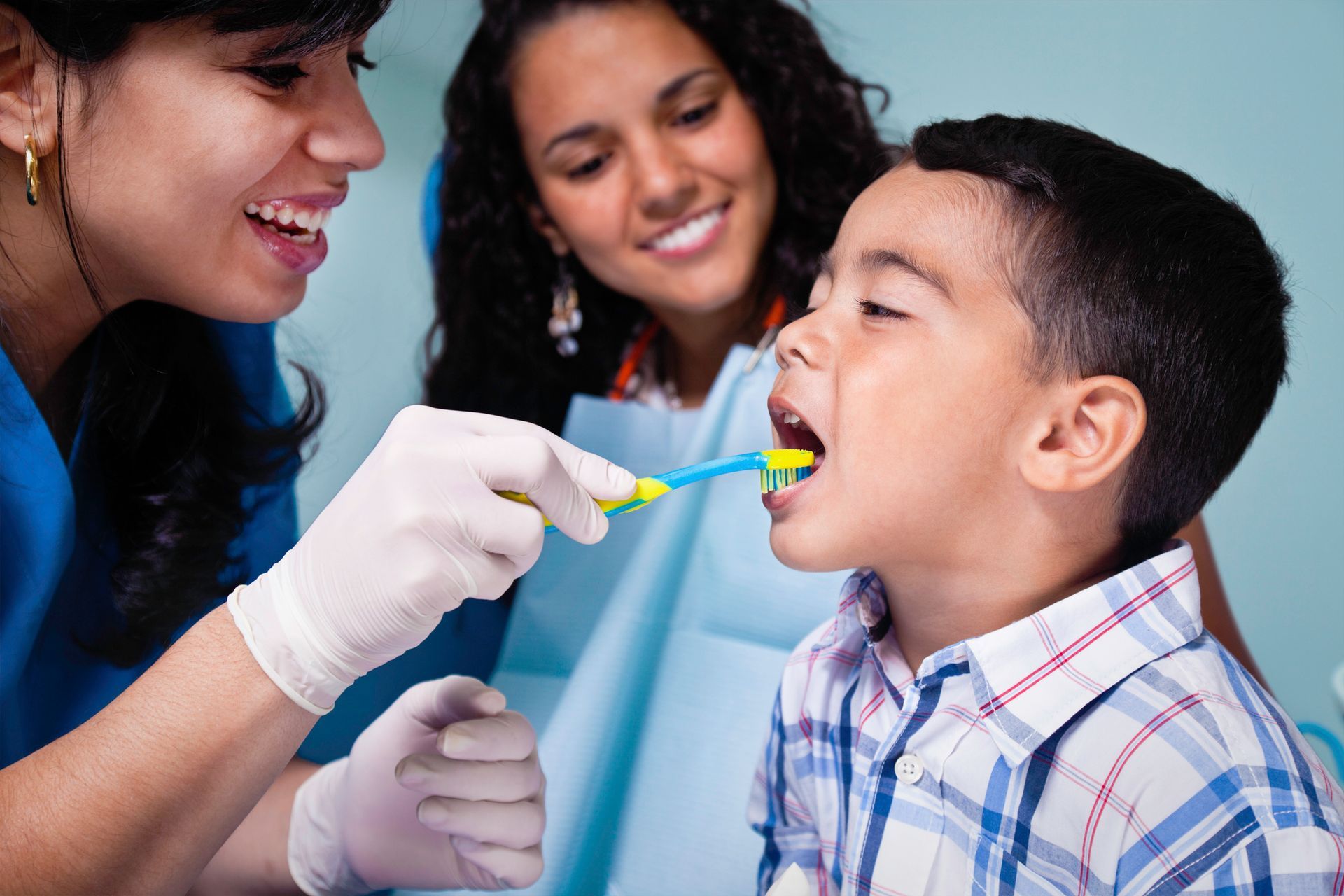
Pediatric emergency dentistry is specifically tailored to children’s unique needs. A pediatric emergency dentist is not only trained to treat dental injuries but also understands children’s emotional needs. This specialized care ensures that your child receives the attention they need while feeling comfortable and safe during the process.
Common Dental Emergencies in Children
Dental emergencies in children are quite common, especially since kids tend to be active and playful. Some of the most frequent emergencies include:
- Tooth Trauma: A fall or impact during sports can cause chipped, cracked, or knocked-out teeth.
- Toothaches: Persistent tooth pain can signal an underlying issue, such as decay, infection, or an abscess.
- Loose Teeth: While loose teeth are common in children, they can become loose unexpectedly or be injured in accidents.
- Abscess or Infection: A painful, swollen area near the gums may indicate an infection or abscess.
- Broken Braces or Appliances: For children undergoing orthodontic treatment, it is not uncommon for braces or retainers to break.
Why Choose a Pediatric Emergency Dentist?
It is crucial to choose a pediatric dentist in an emergency, especially if your child is young. Pediatric dentists are specialists trained to work with children from infants to teenagers. They know how to address the unique dental needs of children, including managing fear and anxiety during dental visits.
Children’s teeth, gums, and jaws are still developing, making them more vulnerable to certain dental issues than adults. A pediatric emergency dentist has the necessary skills and equipment to manage these issues in a gentle, effective manner. Additionally, pediatric dentists are skilled at creating a child-friendly atmosphere that makes the visit less intimidating for young patients.
At Dentistry 4 Children, we understand the challenges parents face when their child experiences a dental emergency. Our team is committed to providing calm, compassionate care to ensure your child feels comfortable and safe during their visit. Whether it is a simple dental injury or a more complex situation, we are here to help you navigate the experience with ease.
What to Expect During an Emergency Dental Visit for Your Child
Dental emergencies can be stressful for both parents and children. If your child has suffered an injury or is experiencing significant pain, knowing what to expect during an emergency dental visit can help alleviate some of the anxiety and ensure a smoother experience. Here is a step-by-step breakdown of what you and your child can expect when you visit a pediatric emergency dentist, such as Dentistry 4 Children.
1. Initial Assessment
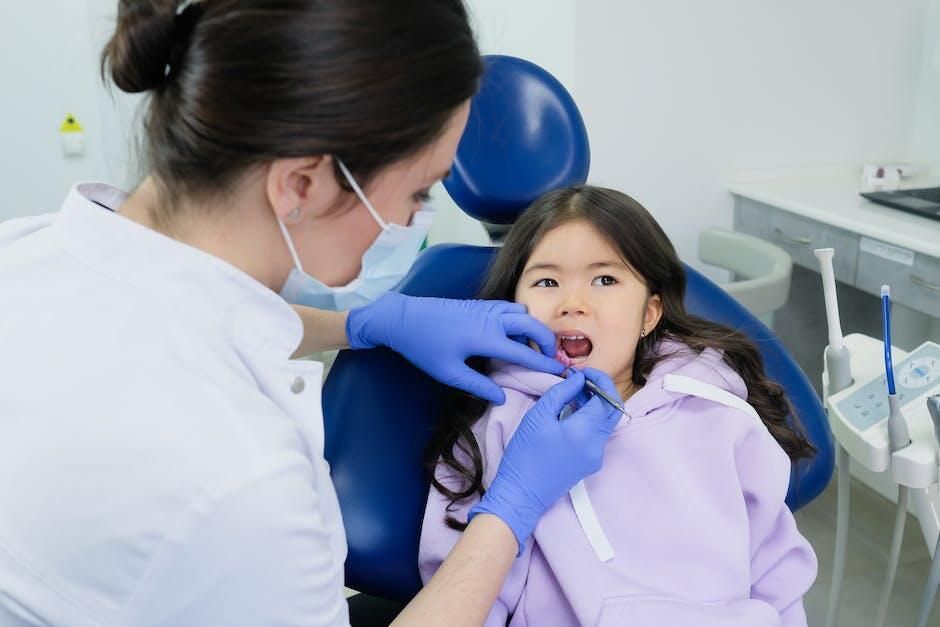
When you arrive at the dental office, the first step is always an assessment by the pediatric dentist. The dentist will listen to the details of the incident (if applicable), such as how the injury occurred or how long your child has been experiencing pain. It is important to provide as much detail as possible, including whether your child has had any previous dental treatments or conditions.
The dentist will then examine the affected area of your child’s mouth. This initial assessment helps the dentist determine the severity of the injury or the cause of the pain, which is essential for determining the appropriate course of action.
2. X-Rays (If Needed)
In some cases, especially with traumatic injuries such as a knocked-out or fractured tooth, the dentist may need to take X-rays. X-rays help the dentist evaluate damage beneath the surface and detect potential hidden injuries to the teeth, roots, or jawbone.
For children, the dentist will make every effort to ensure they feel comfortable and calm during the X-ray process. Pediatric dentists are skilled at working with children and know how to make the procedure as stress-free as possible.
3. Treatment Plan
Once the dentist has assessed the situation and reviewed any necessary X-rays, they will discuss the treatment plan with you. This is a crucial step, as it helps you understand the next steps in addressing your child’s dental emergency.
The treatment plan will vary depending on the nature of the emergency:
- For a toothache, the dentist might clean the affected area, apply a medicated treatment, or schedule a follow-up appointment if further treatment is needed.
- For a broken tooth, the dentist may suggest dental bonding, crowns, or other restorative measures to restore the tooth’s appearance and function.
- For a knocked-out tooth, the dentist will attempt to reimplant it if possible, or they may discuss options such as dental implants or space maintainers, especially if it is a permanent tooth.
- In the case of an abscess or infection, the dentist will likely prescribe antibiotics to treat the infection and may perform a procedure to drain any pus or infection from the area.
Your pediatric emergency dentist will clearly explain each option and its potential outcomes, allowing you to make informed decisions about your child’s care.
4. Comfort and Sedation Options
It is normal for children to feel anxious or scared during a dental visit, especially if they are in pain or discomfort. A pediatric emergency dentist is skilled in working with children to ensure they feel at ease.
If your child is particularly anxious or the treatment may cause discomfort, sedation options are available. The dentist will discuss the best option based on the severity of the emergency and your child’s comfort level. Common sedation methods for children include:
- Nitrous oxide (laughing gas): This mild form of sedation helps your child relax during treatment. It is safe, effective, and wears off quickly after the procedure.
- Oral sedatives: For more invasive procedures, oral sedatives can help your child stay calm and relaxed throughout treatment.
- General anesthesia: In rare cases, if the dental emergency requires a more complex procedure, general anesthesia may be recommended. This will ensure your child is fully asleep during the procedure.
Your dentist will take the time to explain the sedation options and make sure that both you and your child are comfortable with the approach.
5. Post-Treatment Care
After the emergency treatment is completed, the dentist will provide detailed instructions for at-home care. Depending on the type of treatment your child received, post-treatment care might include:
- Pain management: The dentist will advise you on appropriate pain relievers, if necessary, and how to help your child manage discomfort.
- Dietary restrictions: Your child may need to avoid certain foods or drinks for a period after treatment, especially if they had a procedure such as a filling or crown placement.
- Follow-up appointments: The dentist will schedule any necessary follow-up visits to monitor your child’s recovery, assess the healing process, and ensure no further treatment is needed.
It is important to follow the post-treatment instructions carefully to help your child recover as smoothly as possible. If your child experiences any unusual pain, swelling, or complications after the visit, do not hesitate to contact the dentist.
At Dentistry 4 Children, we believe in creating a welcoming, comforting environment where children feel understood and cared for, even during stressful times. Our team is committed to providing compassionate care that minimizes fear and helps children stay calm during their dental emergencies.
When to Go to the ER vs. Seeing an Emergency Dentist
In some situations, you might wonder whether to go to the emergency room (ER) or see an emergency dentist. Here is a simple guideline:
- Visit the ER if your child is experiencing severe facial trauma, uncontrollable bleeding, or a suspected broken jaw. If there is significant swelling or facial injury, it is essential to have a medical professional evaluate the situation to rule out more serious health concerns.
- Visit an emergency dentist for dental injuries such as a knocked-out tooth, a deep crack in a tooth, or severe tooth pain. An emergency dentist is equipped to handle these types of issues and can provide the necessary care to restore your child’s oral health.
In some cases, you may need to go to both the ER and an emergency dentist. For example, if your child experiences facial trauma from an accident, the ER should first evaluate the injury for any life-threatening concerns. An emergency dentist can then address the dental aspects of the injury.
How to Find an Emergency Pediatric Dentist
If you are in the Pearland or Friendswood area and looking for a reliable emergency pediatric dentist, make sure the dentist has experience handling children’s dental emergencies. Look for a practice that offers flexible hours, including after-hours and weekend appointments. At Dentistry 4 Children, we offer emergency dental care to accommodate urgent needs and ensure your child’s dental health is never compromised.
It is important to choose a pediatric dentist who is experienced in working with children and can handle various dental emergencies with ease. A practice specializing in pediatric care, such as Dentistry 4 Children, will have the necessary tools and knowledge to treat young patients effectively.
Frequently Asked Questions (FAQ)
1. What should I do if my child’s tooth is knocked out?
If the tooth is permanent, gently rinse it with water, avoid scrubbing, and try to place it back in the socket. If that is not possible, store it in milk and visit the emergency dentist immediately. For primary teeth, consult your dentist, but do not try to reinsert the tooth.
2. Can I wait to see the dentist for a toothache?
Tooth pain is a sign that something may be wrong, such as a cavity or infection. It is important to schedule an emergency dental visit to address the pain and prevent further complications.
3. How can I prevent dental emergencies in the future?
Encourage your child to wear protective gear, such as mouthguards, during sports, avoid hard or sticky foods, and maintain regular dental check-ups to ensure healthy teeth. Regular visits to a pediatric dentist for check-ups can also help identify potential issues before they become emergencies.
4. What is the best way to calm my child before a dental emergency visit?
It is common for children to feel nervous about visiting the dentist. Reassure your child by explaining the importance of the visit in simple terms and emphasizing that the dentist is there to help. You can also bring along a favorite toy or blanket for comfort during the visit.
5. When should I take my child to the emergency dentist instead of waiting for a regular appointment?
If your child’s dental issue involves pain, injury, or trauma, it is always better to seek emergency care rather than wait. Ignoring a dental emergency can lead to further complications, including infections, tooth loss, or damage to surrounding teeth.
Conclusion
Handling a dental emergency can be stressful, but knowing how to act quickly can make a big difference in protecting your child’s oral health. Whether it is a sudden toothache or a traumatic injury, having a trusted pediatric dentist like Dentistry 4 Children on your side in Pearland and Friendswood, TX, can give you peace of mind. Remember, prompt action is key to keeping your child’s dental health on track. If you are ever in doubt, do not hesitate to contact us for emergency care—our team is here to help you and your child through any dental situation.